Disclaimer: It is important to note that STABILISE is a work in progress operated by an educated woman with lived experience with bipolar disorder and computer scientists interested in improving access to practical knowledge, medical professionals, and crisis responders. We are building a mobile application that is designed to track moods and analyse text so help can be provided sooner. For medical advice, please consult your family doctor or a trusted health care practitioner. If you believe you are in need of immediate medical assistance and live in North America, call 911. Otherwise, please reach out to the Lifeline at 988 (by phone or text).

Tag: Self-love

  • On Pursuing the Whole Picture

    On Pursuing the Whole Picture

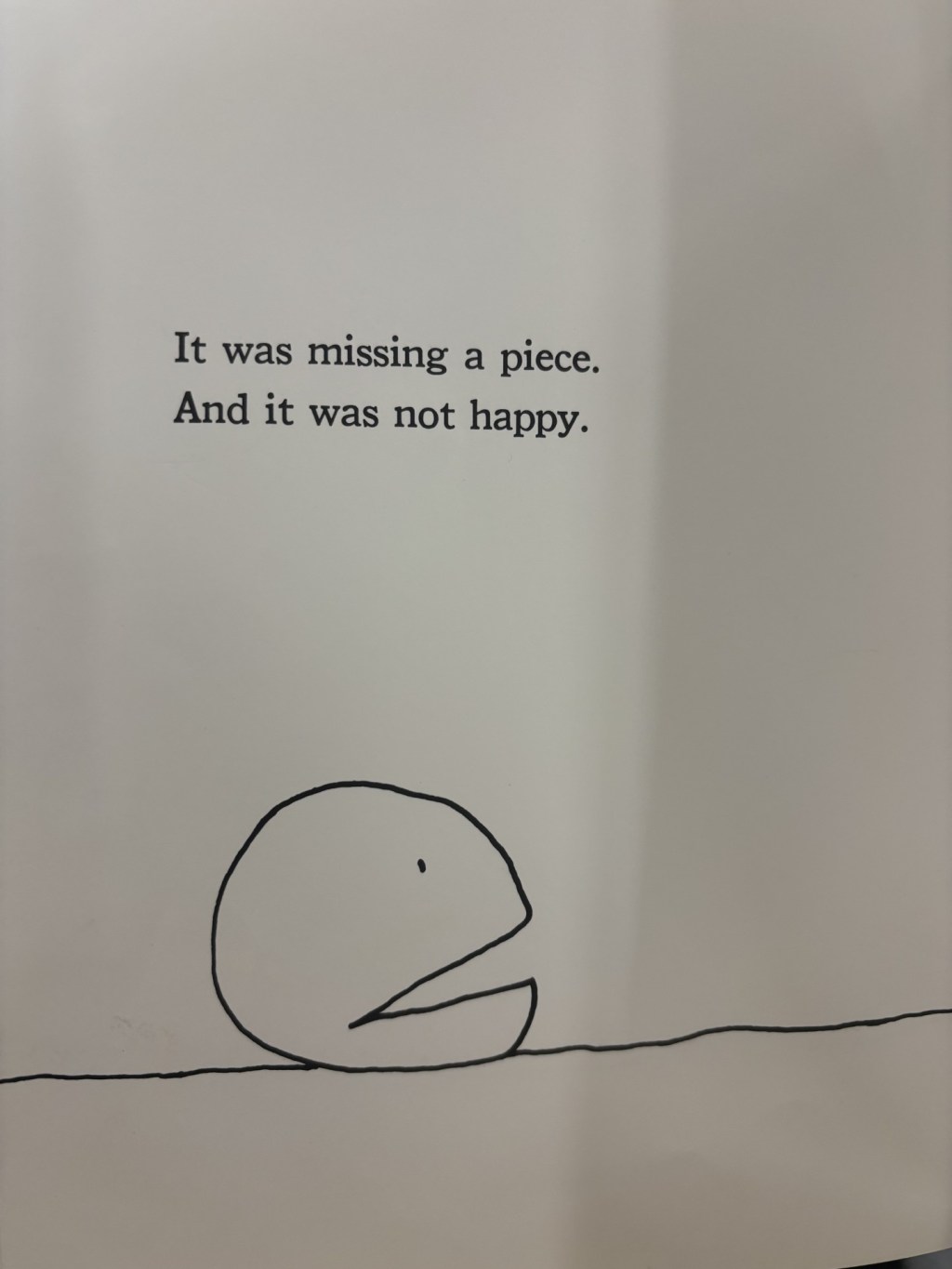
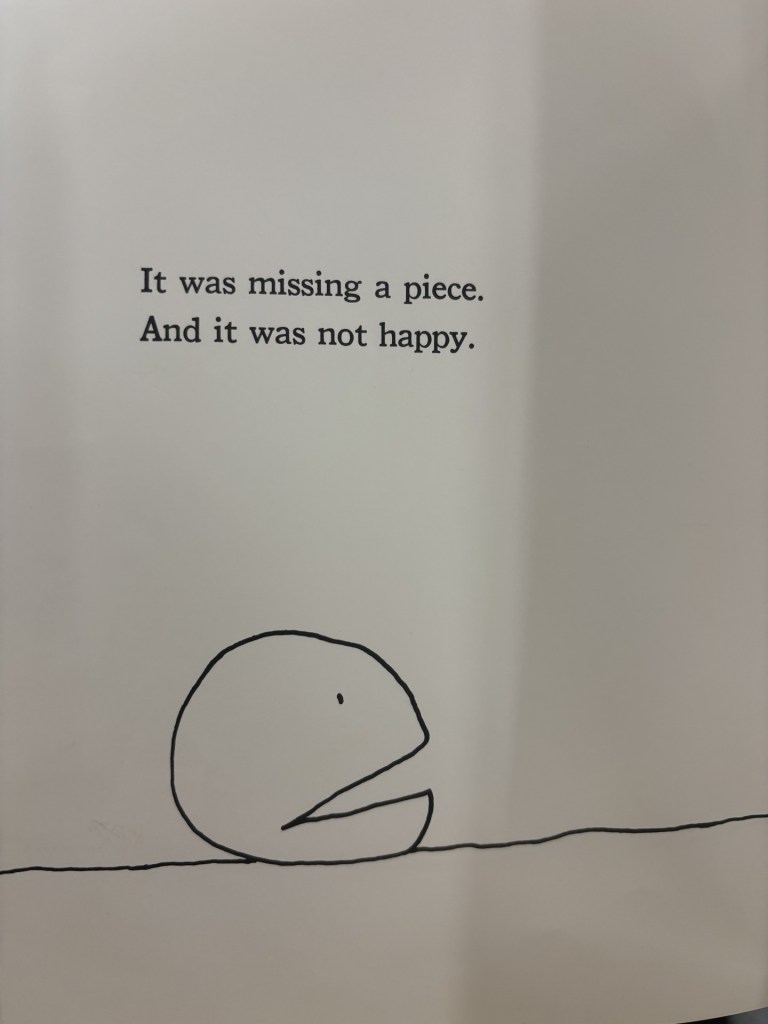
    Shel Silverstein, The Missing Piece

    If I were to ask you to imagine yourself as a landscape, what image would come to mind?

    In the past few days, I have been a stretch of cold similar to the Tundra. I have also been as volatile as the earth’s core.

    One minute, snow and ice. The next, molten iron and a variety of other elements.

    There is tremendous beauty in that versatility. My inner self can appear barren, void of everything but cold and wind. One blink and I become magma. The shift between the two is hopeful because it signals the potential for change. It also hints at how multifaceted human beings truly are.

    We are never just one thing, one idea, one side of the coin. And chances are, each of us has got a piece of us that appears to be missing.

    The beauty of reading children’s books as a woman in her 30s is that I can grasp subtleties while also activating my inner child. For the past few years, I have been obsessed with exploring my shadow self. It seems so mature to face the dark side, so elegant and sexy and deep.

    For a time, shadow work was an illuminating and essential process.

    I don’t know if I’m alone in saying this, but lately, I’ve been looking at my reflection and seeing the little girl I used to be. It helps that I have been navigating my fear of being on camera by taking selfie reels of me talking about some of the things I am thinking about.

    It also helps to read children’s books, like those written by Shel Silverstein and James & Kimberly Dean, because complex ideas are expressed with simple language.

    It’s that quest for simplicity that I crave, reminiscent of Richard Feynman who said that if it couldn’t be explained to a child, the person didn’t understand the concept well enough.

    The beauty of approaching inner child work is how it’s teaching me to approach my reflection with care and curiousity.
  • On Finishing a Sample Paper

    On Finishing a Sample Paper

    Finishing a sample paper to apply for grad school is a bit of a cosmic joke.

    Write 5000-6000 words on a subject that interests you within this field on the off-chance that you will be accepted.

    This is the second year in a row I have applied to grad school. Last year, I applied for an MSW and an MFA in Creative Writing. I got on the waitlist for the MFA that was eventually rejected.

    This year, it’s philosophy. I wrote my paper on the philosophy of mental illness. I included the work of people I didn’t necessarily think I would include, mostly because they present problems.

    Problems are good though. Problems help you get better at adopting new approaches and finding different solutions, sometimes for problems you didn’t even realize you wanted a solution for.

    Plus, a paper, or a philosophical essay, is meant to contain arguments and counterarguments. The point is not necessarily to be right, but to learn how to approach a problem from different angles with fairness and integrity.

    The question I’m ruminating over:

    Why do you even want to go to grad school?

    Luckily, I have the Statement of Interest to write next.

    I want to go to grad school because it proves there is a space for my interests in an academic field. I am interested in research, primarily case studies relating to people who struggle or have struggled with symptoms of psychosis. I am intrigued by the nature of delusions and how lived experience affects the symptoms expressed by a mental illness.

    Primarily though, I am interested in the question: What does an ethical and beneficial therapeutic relationship look like?

    It has been an interesting process. I sent my first draft to a professor for review. I will be sending it to somebody else. I read an article by someone on Substack who wrote that it may be a good idea to adopt a beneficial habit for thirty days and see how our lives are affected.

    Writing this paper made me suspend good self-care by taking over my brain. For the next thirty days, I am committed to performing one daily act of love and gratitude for myself.

  • On Self-Development

    On Self-Development

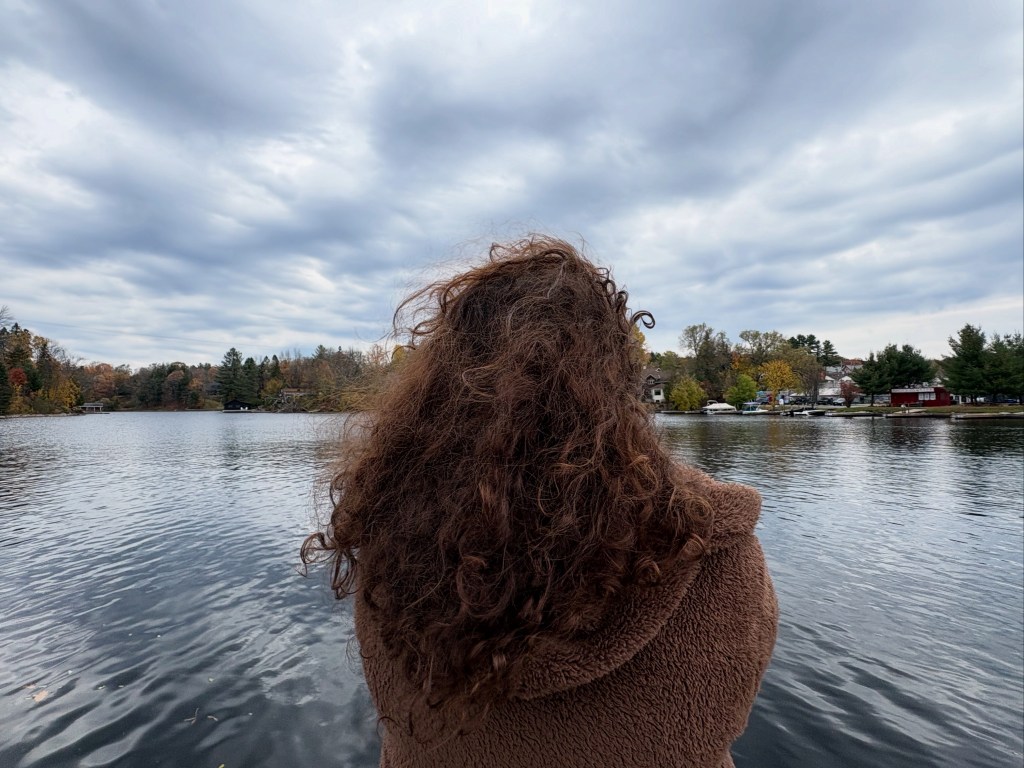
    A very dear friend of mine and I went to Muskoka, Ontario for the weekend. We walked into the Walmart and there was a photo development center through the entrance on our left. It brought to mind memories; namely, how many disposable cameras I used to bring in to photo labs when I was young.

    When I was young, I loved quite fiercely. I loved the skies, trains, mountains, forests, billboards, tracks, getting on a plane and heading somewhere for an indeterminate amount of time.

    Time has become a dark room.

    I am thinking about the clouds we saw on our trip and the clouds I saw at a haunted house later. They were moving quickly, shapeshifting in grey sky before drifting into a dark night.

    I am drenched in memories, both near and far.

    I returned home. I swept the floor before mopping. I rearranged the furniture. There is a new leaf on the ficus. I hung the pothos on thumbtacks along the wall.

    New patterns, new modes of being.

    I got up to clean the toilet, sprayed bleach on the dark brown stain in the sink from the hair dye I applied two weeks ago. I thought about a person I knew who reached out in the thick of spontaneity and ended us by saying, “You haven’t changed.”

    I thought of the tailspin of loss — how we can want what isn’t good for us, how we can want what makes us sick. Head spinning, ghastly shadows, and still we want until we train our minds in the shape of our bodies.

    This here, that there — wooden picks delineating space.

    I get up. I sit down. I look at the watermelon quartz pendant I attached to a black chain. I look at the paint on the canvas, the dollar store sponges that are waiting to be rinsed.

    I look at the evidence of a life and I notice that it’s mine.

    This here, this is self-development.

  • On Self-Compassion

    Today, I would like to perform an excavation.

    I have lived with crippling self-doubt for too long and I would like it to end.

    As this idea simmers in my mind, I am reminded of Kristin Neff’s work on self-compassion. Reading her work has been a pivotal part of my journey because she teaches her readers how to counter negative thoughts with compassion that is directed inwards.

    I am an extremely self-critical person. Not just sometimes, but practically everyday at regular intervals. It helps to say that out loud. I am critical. I am mean. I am mean to the point where I self-sabotage relationships and experiences.

    Neff writes,

    “We can’t always get what we want. We can’t always be who we want to be. When this reality is denied or resisted, suffering arises in the form of stress, frustration, and self-criticism. When this reality is accepted with benevolence, however, we generate positive emotions of kindness and care that can help us cope.”

    She raises two important questions:

    1.) What do you want?

    2.) Who do you want to be?

    They give me pause.

    I want to be at peace in my head. I want to be a confident and intelligent woman. I want to get my Masters in Philosophy. I eventually want to get my PhD. I want to learn how to love people well and wisely. I want to be kind and thoughtful and considerate. I want to stop wanting to disappear from people’s lives whenever my emotions grow large.

    God, it feels so good to admit all of that, and that’s barely scraping the surface of my wants. But in reference to what she wrote, there are moments when I will not be what or who I want. I will be unkind and inconsiderate and pretentious. I will say stupid things and not read an article carefully enough. My research will be misguided and I will make false assumptions. I will tell someone I care about, “I want to disappear from your life.” I may not get into grad school.

    And I will survive.

    I will survive because I am not a static entity. I am a consistently evolving human being who is capable of tremendous growth and genuine progress. When I wanted to go to college at 35, I doubted my intellectual capacity. I went anyway. I thrived. I met people who will be my friends for the rest of my life. I moved provinces. I shifted my entire life in the direction of a single dream: get educated and strive towards a better life.

    If that is not a signal fire for hope, I am not sure what is.

    I deserve to offer myself compassion because imperfection is a human condition. A constant preoccupation with efficiency is the enemy of magic. I am allowed to love myself fiercely in the face of my misgivings and shortcomings because I am also wonderful.

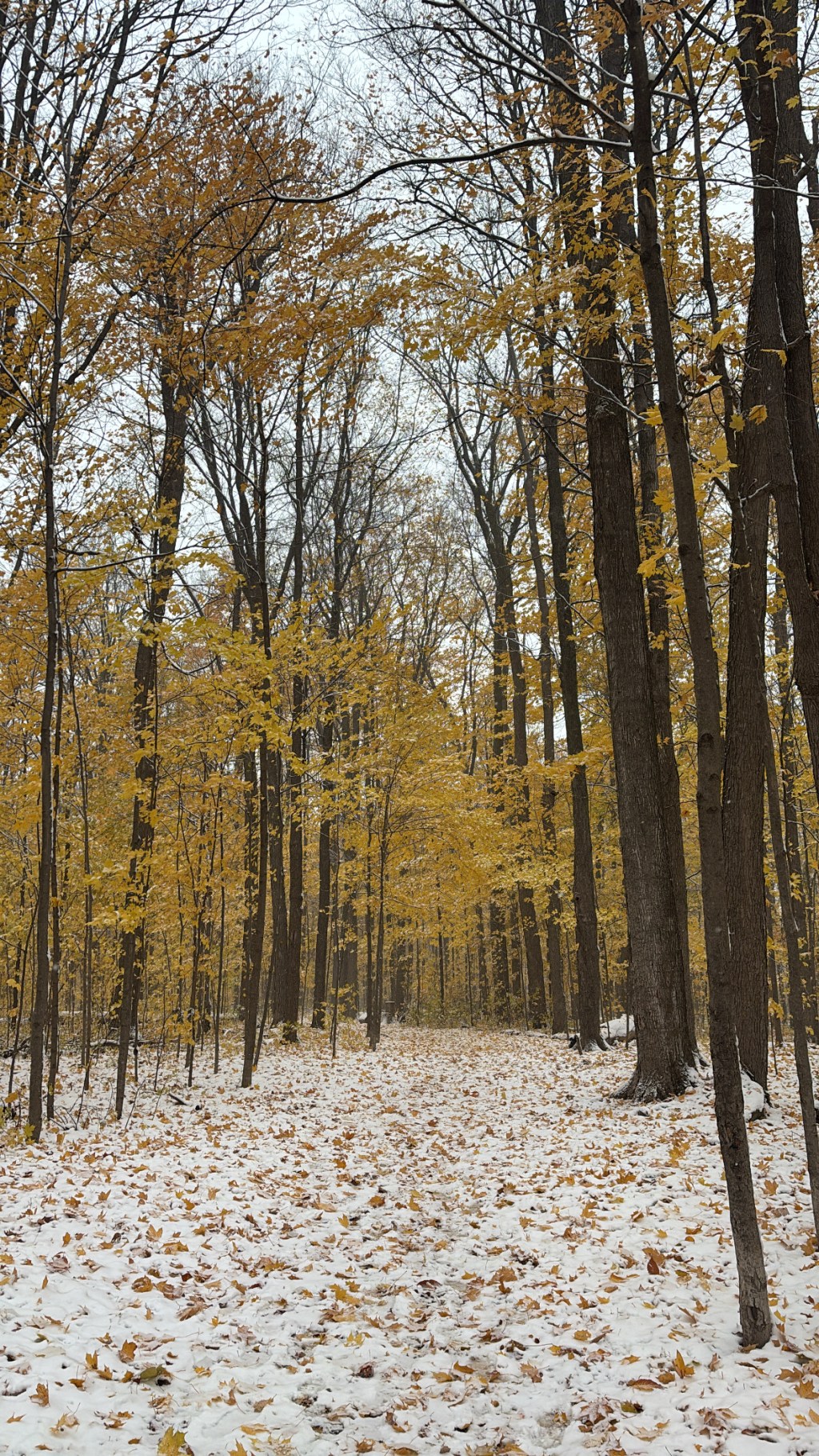
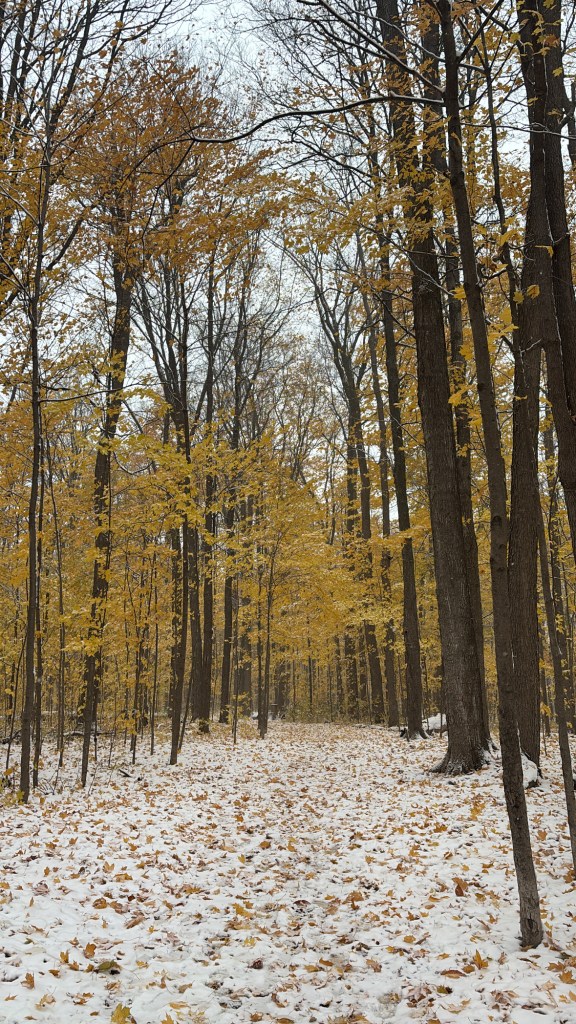
    Here’s to dipping out of work early to enjoy the October sun and hear the pleasant crunch of leaves underneath my sneakered feet.