

In his book, A History of My Brief Body, Billy-Ray Belcourt writes,
“Let’s start with the body, for so much is won and lost and lost and lost there.
I was lonely once and that was all it took. A thick haze, a smothering opacity, this was the loneliness of feeling estranged from one’s body and, by extension, the world.”
It astounds me how certain books arrive at the right time.
It can be easy to think that one is alone with their thoughts, but a distinctive part of becoming an integrated human being is realizing that the majority of us share the experience of loneliness.
It is a profound feeling, one that reverberates through the body. It is a sacred calling for an honest answer, one that sets the brain ablaze in search of the questions that are being asked.
Am I enough? Am I enough as I am? What does being enough mean?
– Samples
It is sacred work to attempt to discover the questions and answers for one’s self. I don’t believe there is a single response. Rather, I believe the answers fluctuate depending on the times in which the questions are being asked. The objective may be to recognize that truths echo through one’s frame in an intuitive form of knowing.
The confusion is the desire that stems from loneliness or an equivocal feeling. Hence, the persistent emphasis on meditation and the powerful effects of grounding. To return to the earth is to return to the body. It is to gain the capacity to name loneliness without trying to eradicate it.
Let the world be what it is. Let yourself be in the world as you are. Loneliness only seems to carry a stench when it leads you to sacrifice your morals and principles. Hence, the persistent emphasis on forming intentions and setting a schedule and learning the power of self-discipline.
Control thyself — or learn how to pause before acting on an impulse. Act on the impulse anyway to learn the difference between doing and not doing.
Reading Belcourt’s memoir reminds me how veracious we can be when we offer ourselves the time to examine why we do the things we do. You, dear reader, must be familiar with the sort of doing I am mentioning: the unmentionable acts, the times we contort our physical bodies into shapes beyond our comprehension and recognition, the willful negligence of self in the name of self-expansion. When the self is lonely, it is hard to see clearly.
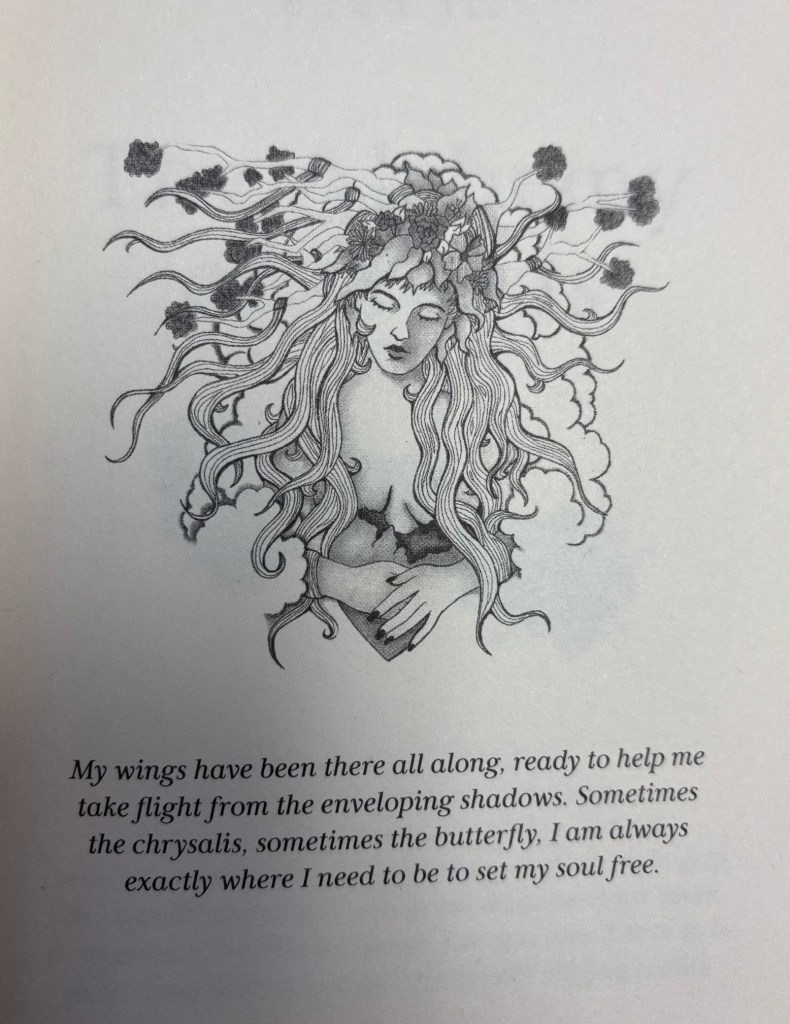
Loneliness, in and of itself, is not negative. It carves a space, one in which it is possible to interrogate what to do with the absence and the excess. Self-expansion can often look like self-destruction in the before.




 STABILISE