Disclaimer: It is important to note that STABILISE is a work in progress operated by an educated woman with lived experience with bipolar disorder and computer scientists interested in improving access to practical knowledge, medical professionals, and crisis responders. We are building a mobile application that is designed to track moods and analyse text so help can be provided sooner. For medical advice, please consult your family doctor or a trusted health care practitioner. If you believe you are in need of immediate medical assistance and live in North America, call 911. Otherwise, please reach out to the Lifeline at 988 (by phone or text).

Tag: art

  • On Learning How to Tell Time Differently

    On Learning How to Tell Time Differently

    “It takes effort to catch yourself before you start retelling the old stories. It takes imagination to see the new story as being real before it has fully manifested. But it’s so worth it when it begins to happen around you and you realize that you don’t even miss the old stories because they never made you happy anyway.”

    Michelle Gordon
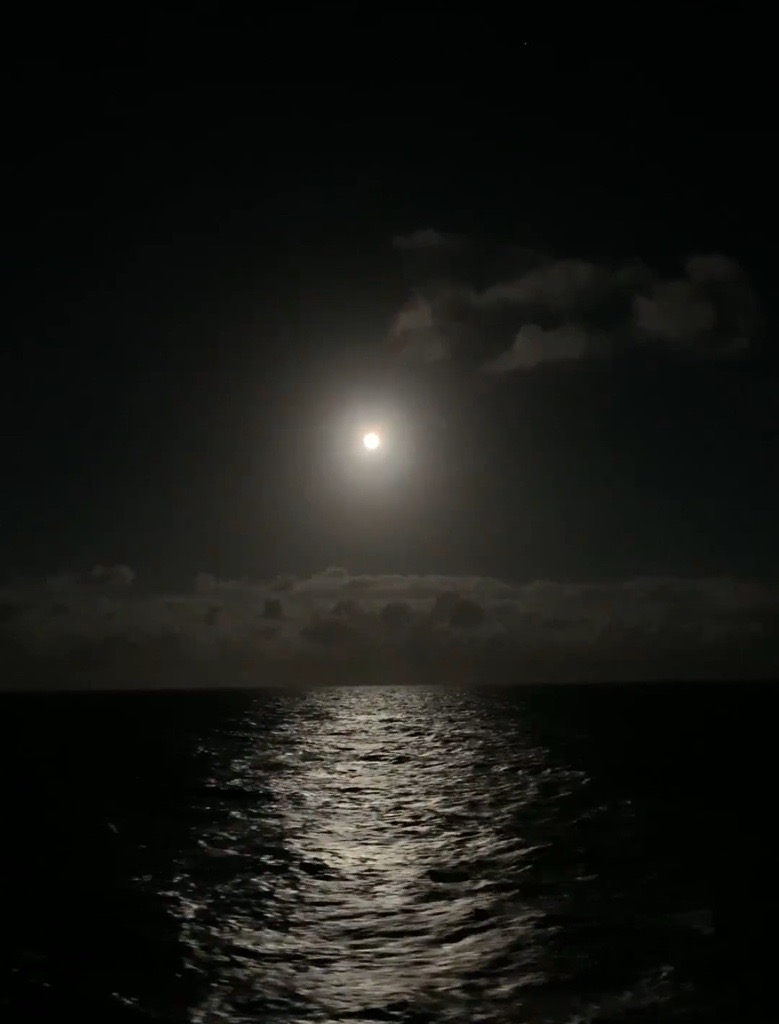
    There’s a poem I once read with lines that run through my head even now. It went something along the lines of this:

    “There are voices in the attic. I think they’ve come for me. I hear you laugh, ask if I’m still writing to you, and I guess I must be.”

    Very bad paraphrasing, wish I could locate the piece so I could do it justice, but it was written by a poet on Instagram many years ago whose name I don’t remember.

    Such is life.

    I have been considering the emotional sustenance that comes from cognitive restructuring. I am thinking about those moments when you begin to recognize that the authority to change stems from a series of small steps.

    It is not merely that progress takes time, but often only registers when you realize that the characters have changed. The wording is different.

    Setting and tone are rather important narrative devices. Repetition of the same scene could be construed as insanity, but it could also be the time it takes to realize which parts request modification and integration.

    Sometimes a breath isn’t the act of drawing in air. Sometimes a breath is practicing a new skill, familiarizing yourself with an unfamiliar tool.

    Lay down the chisel, the inner critic, the part of you that asks to be changed. You risk destroying the whole. You risk laser focus on details that actually aren’t all that pertinent. An entire spectrum of colours and techniques to learn instead. Learning anything new takes time.
  • On Art

    In her book, On Photography, Susan Sontag writes,

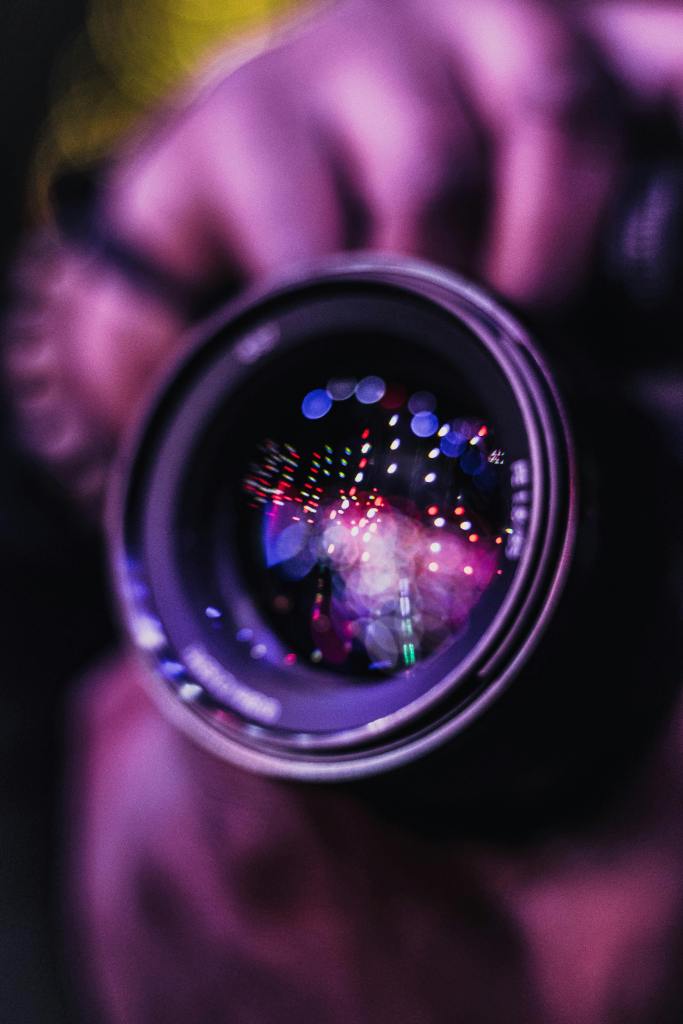
    “All photographs are memento mori. To take a photograph is to participate in another person’s (or thing’s) mortality, vulnerability, mutability. Precisely by slicing out this moment and freezing it, all photographs testify to time’s relentless melt. Photography is the inventory of mortality. It preserves the look of things, the way they have changed, the way they will never change again.”

    Note: Memento mori is Latin for, “Remember you will die.”

    It is a Stoic tradition to contemplate death, to keep it close long enough to feel its inevitability. Art is one of those activities where the artist is required to suspend judgment of their work long enough to create. It is in the act of creating that a person can evaluate how they feel about a subject. Often times, the subject is an emotional experience.

    Sontag makes an interesting point when she refers to how photographs are a testament to “time’s relentless melt.” When I create art, I do it because I am trying to understand a subject like death, as well as capture time. Maybe capture is the wrong word. Maybe what I mean is that I am trying to declare that a moment existed. Life is fleeting.

    Currently, I am learning how to make videos for Stabilise’s Instagram and TikTok. The process is long. The process is teaching me how to be patient and how to step outside of my shell. It is also teaching me how to use video editing software and purchase music again, a novel act in the face of music streaming platforms. In order to use iTunes in iMovie, you need to purchase the songs. I am incorporating clips that move me, both my own and others. I am also learning how to not take algorithms personally.

    The creative process for social media is unique. When I make tactile art, specifically memory boxes or abstract pieces on canvas, I am able to feel the materials I am using. I see the paint on my hands and sweaters. There is physical evidence that I have done something in the world. Virtual art in the form of videos, reels, stories, or posts are different. They feel as though they do not really exist until I open my phone, a digital version of Schrodinger’s Cat.

    Art seems to be the “inventory of mortality” that Sontag describes. Whether it’s virtual or tactile, it serves as a commentary on what it means to be a human being in the world. Even the simplest Instagram post is a declaration of existence. It is as though people are saying, “Hello, world! This is me.” I think that is why it can hurt when companies like Meta threaten the integrity of its everyday users who do not have a strong following. I remember when Instagram first began: hashtags worked and the posts appeared chronologically.

    The truth is what it has often been: money changes people. The bigger the corporation, the more profit-driven they become. It is also about the sheer magnitude of posts and people that occupy social media platforms. I digress. This began as a post about art and I ended up writing about social media. Perhaps this is because I think social media is an art form in and of itself.

    To willfully engage with the world is a substantial act. It is a footprint in the sand, a marker of location, a finger on the trigger of a camera.