Disclaimer: It is important to note that STABILISE is a work in progress operated by an educated woman with lived experience with bipolar disorder and computer scientists interested in improving access to practical knowledge, medical professionals, and crisis responders. We are building a mobile application that is designed to track moods and analyse text so help can be provided sooner. For medical advice, please consult your family doctor or a trusted health care practitioner. If you believe you are in need of immediate medical assistance and live in North America, call 911. Otherwise, please reach out to the Lifeline at 988 (by phone or text).

Category: Women

  • On the Long Road

    Michel de Montaigne, a French philosopher from the Renaissance, said,

    “To practice death is to practice freedom. A man who has learned how to die has unlearned how to be a slave.”

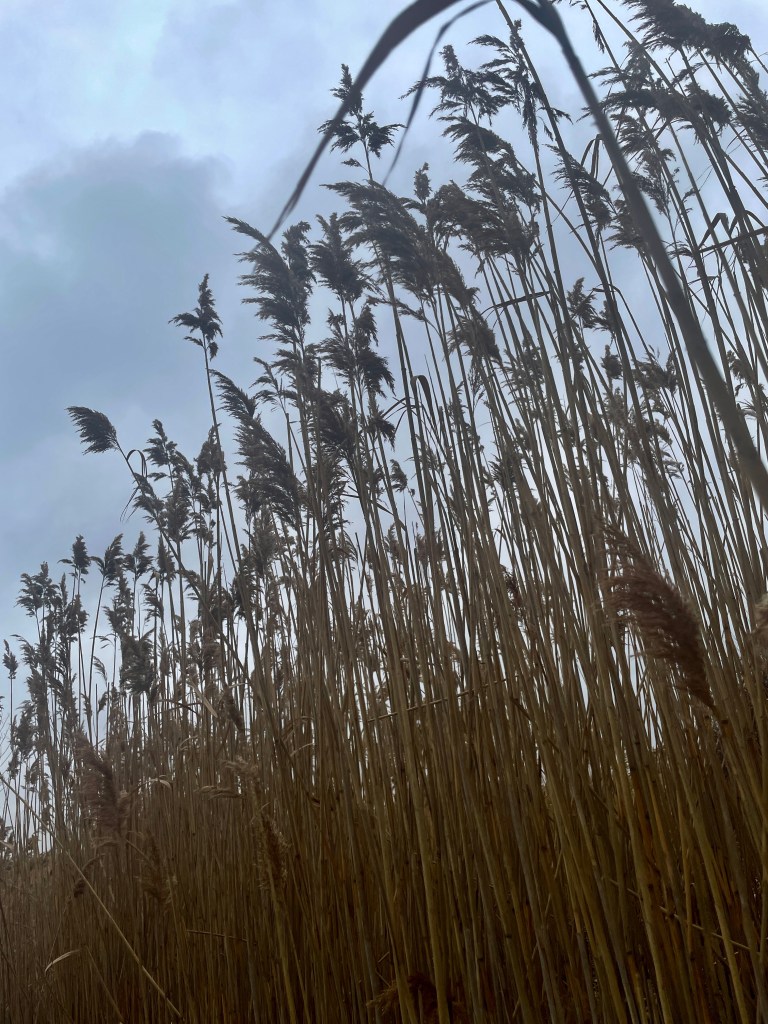
    I chose Michel’s words and the picture because death has been weighing heavy on my mind. Pampas grass grew outside the townhouse I lived in with my mother right up until she passed away. There are moments when I feel her presence near, when I think communicating with her would be as simple as picking up the phone.

    I remember her daily.

    I hear her voice in my head, not as a symptom, but a painful sense of missing someone I love who is no longer here. A professor I write to every once in a while told me that it is a strangeness to lose the person who brought us into this world.

    Strange is right, hollow too.

    At root, what I’d like to tell her is about my day. At heart, I want to hear about hers. The afterlife of loss is profound. There are instances when my soul lurches and pivots and does cartwheels.

    I think about what Michel is saying, how he emphasizes the importance of accepting one’s mortality. It isn’t strictly acceptance, but a relinquishing of the fear that can help us avoid becoming subservient.

    I know that I feel subservient to my own fear of death. The unknown is terrifying with its unseen variables. However, I have noticed that my fear of death is in proportion to the excitement I feel learning how to engage with the world again.

    Everyday, I grow more confident, a skill that I have been trying to manifest since I was a kid.
  • On Jewelry Making

    In her book, Women Who Run With the Wolves, Clarissa Pinkola Estés writes,

    “The Wild Woman knows that in creating, she claims her power. She reclaims what has been lost, forgotten, or silenced.”

    It takes courage and discipline to make art. It also requires research. I meant to write this blog post this morning, but I got wrapped up in reading different passages from female poets, novelists, and journalists. I was reading them because I needed inspiration. I came across the Wild Woman archetype, an idea explored by Clarissa.

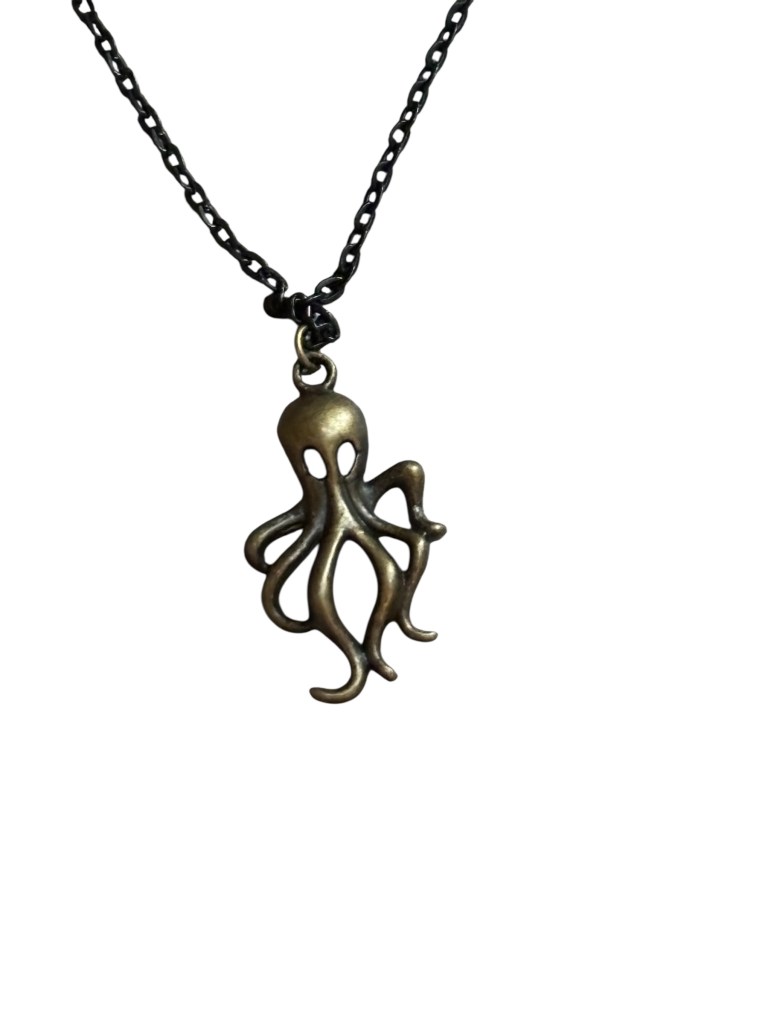
    Basically, the brunt of the book is an expression of how by accessing a woman’s intuition, she is able to express essential personal truths. In my work, I am interested in truth-telling and meaning-making. The primary reason why I make jewelry is because it is comforting to use my hands to create something that did not exist before I made it.

    There is something primal about art and creativity; namely, its capacity to contain and express multitudes. A beaded bracelet is not only beads slipped through an elastic string. It is an elucidation of a time – an event, an emotional experience, the inkling of an idea that came into fruition.

    I make jewelry because it allows me to stay focused, specifically when I am twisting eye hooks into little rings or figuring out exactly what a piece should look like. The physical component is what draws my attention. In writing, one typically says what one intends. Jewelry making is a way to channel an idea into a non-linguistic form, to give shape to intuition, and to reclaim a kind of personal power.

  • On Being a Woman in the World

    Audre Lorde, a Black, lesbian, mother, activist, and poet, is reported to have said,

    “Once you start to speak, people will yell at you. They will interrupt you, put you down and suggest it’s personal. And the world won’t end. And the speaking will get easier and easier. And you will find you have fallen in love with your own vision, which you may never have realized you had… And at last you’ll know with surpassing certainty that only one thing is more frightening than speaking your truth. And that is not speaking.”

    When I am feeling as though my tongue has been cut out, I return to Audre because I think it is difficult to be a woman in the world. There is a perpetual sense of danger. I used to think it was my imagination but there is strong evidence for this.

    The hardest part of being a woman is the consistent sense that I am an imposter. I cannot remember when this began. Perhaps it has existed my entire life so there is no clear delineation. I am not alone in this feeling. I need to reassure myself of that fact. A friend once told me that she struggles with Imposter Syndrome as well. This internal doubt is compounded by the constant reminders of how unsafe the world can be for women.

    Often enough, I feel the need to double or triple check the facts. I doubt the veracity of my opinions. Sometimes it takes a fourth or fifth look before I trust that what I say is true.

    This doubt doesn’t exist in a vacuum; it lives alongside the reality that the safety of women is constantly under threat. The other day, I watched a documentary series where a woman, Samantha Josephson, thought that she was getting into the Uber she ordered. She was abducted and murdered by the male driver who had been circling around, observing her and noticing that she was waiting for a ride. Her parents began the “What’s My Name?” campaign that urges riders to verify the license plate and ask drivers “What’s my name?” before entering a vehicle.

    Throughout my life, I have heard countless stories about women who are abused. I am thinking about the missing and murdered Indigenous women, Malala Yousafzai, and Katie Piper. I am thinking about them and how Audre asked, “What’s the worst that could happen to me if I tell this truth?” She advanced the notion that it is necessary for us to speak, to tell our truths, to declare that we exist. She said that “our speaking out will permit other women to speak, until laws are changed and lives are saved and the world is altered forever.”