
Yesterday, I came across Thomas Szasz’s 1960 essay, The Myth of Mental Illness, which struck me as one of the most profound papers I have ever had the good fortune to read.
In his essay, Szasz asks a profound question:
Do you have a mental illness or do you have a problem with living?
At the risk of sounding foolish, I had not considered that line of inquiry until I read his work.
As I sift through Threads, I notice how many users are struggling with mental health concerns. One user went so far as to say that being diagnosed with a mental illness felt like the end of the world.
I can relate.
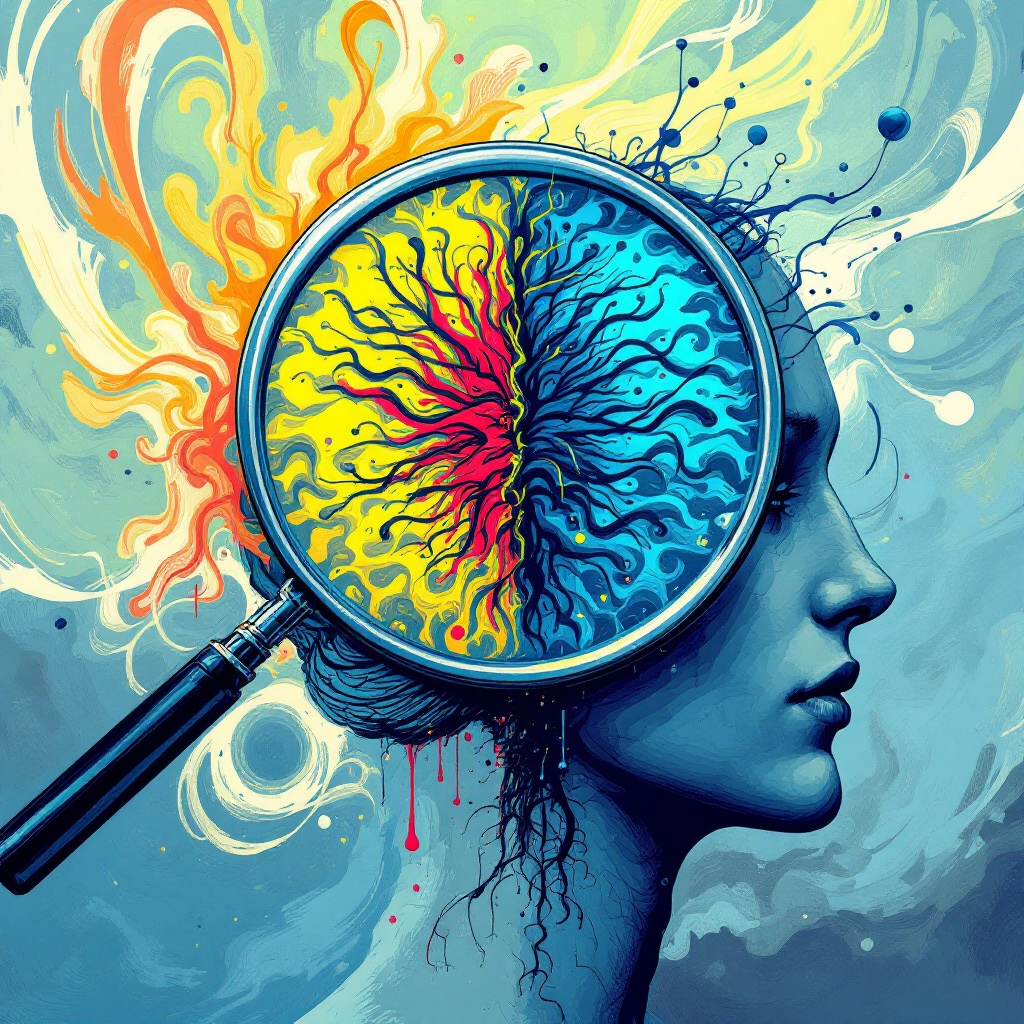
When I was diagnosed with bipolar disorder, it felt as though I had been negated by its symptoms. Suddenly, my passion became mania and my sadness became depression. I felt labeled, misunderstood, and also a perverse sense of satisfaction that I could finally name what was happening in my mind.
Reading Szasz’s essay reminds me that I have the freedom to shift my emotional and mental paradigms. He encourages me to think about how being diagnosed with a mental illness can cause the one who has received the diagnosis to form a mental and emotional construct defined by the DSM-V.
This construct alone is reductive and simplistic.
When he writes there are “stresses and strains inherent in the social intercourse of complex human personalities,” Szasz is elucidating on the concept that living among other human beings is hard. Maybe not is, but can be understood as such.
Szasz goes on to write, “the concept of illness, whether bodily or mental, implies deviation from some clearly defined norm.” The question that follows: Who defines the norm?
I don’t have any answers at the moment. I just appreciate how he presents fascinating questions that encourage continued thought and research.








 STABILISE