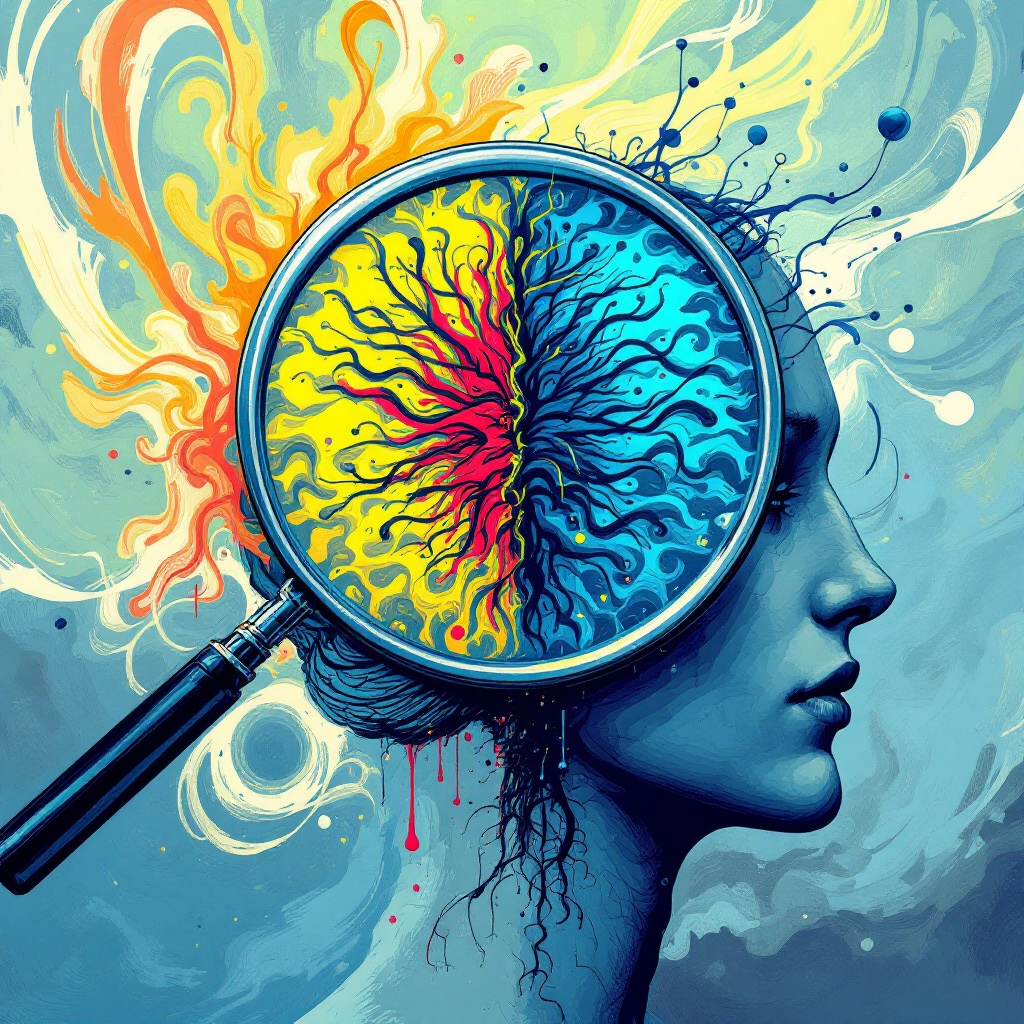
In her book, I Know Why the Caged Bird Sings, Maya Angelou writes,
“There is no greater agony than bearing an untold story inside you.”
Years ago, I began to think about what I wanted my life to mean. By mean, I was searching for a purpose, a grand narrative that was ethical and forward-thinking. I was working at a flower shop at the time. Although it was soothing to be around beauty on a daily basis, I felt an internal lurch to alter the course of my life.
At first, I wanted to build a physical safe space, a real place where people could feel free to be themselves. For that, I considered returning to school for an MA in Social Work or Psychology. I ended up studying Social Service Work at Seneca Polytechnic, an institution that was instrumental in teaching me how to approach myself and others better.
I was mentally ill when I began my studies. There were clear symptoms of psychosis – voices in my mind and the belief that I was being tracked and monitored by governmental forces. Once, I threw out every identification document I had: birth certificate, passport, drivers license, and bank card. I was trying to prove to the voices in my mind that I was not going to run away from Canada, that I was strong enough to stay.
It was startling for my mother, agonizing for me. It was only when I reached out to a highly esteemed university professor that I realized something was deeply wrong. He advised me to seek medical attention for the delusions and hallucinations I was experiencing. By calling them what they were, I was able to seek help. Attending Seneca was beneficial because they offered immediate access to a psychiatrist and social worker. I spoke with a female psychiatrist who diagnosed me with bipolar disorder and prescribed an antipsychotic medication. With time, the voices stopped and I was able to live a relatively normal life.
While recovering, it occurred to me that I could build a digital safe space instead, an application where people are offered access to a mood tracking feature and interactive virtual journal. The reason why it is beneficial to include AI is because it can be designed to look out for warning signs (disorganized thinking, delusions, hallucinations, suicidal ideation, etc.). It also offers users a chance to speak openly and not be afraid of judgment in a private space. It is not meant to be a replacement for a medical professional, but a guide on when a user may benefit from seeking real professional resources.
Stabilise is a passion project led by real individuals – experienced computer scientists and a woman who graduated with a BA Honours in Philosophy and a diploma with Honours in Social Service Work. We are not medical professionals, but we are people who care deeply about improving mental health and access to knowledge. I look forward to continuing my education, both academically and professionally. I also look forward to sharing my learning experience with all of you.
 STABILISE
Leave a comment