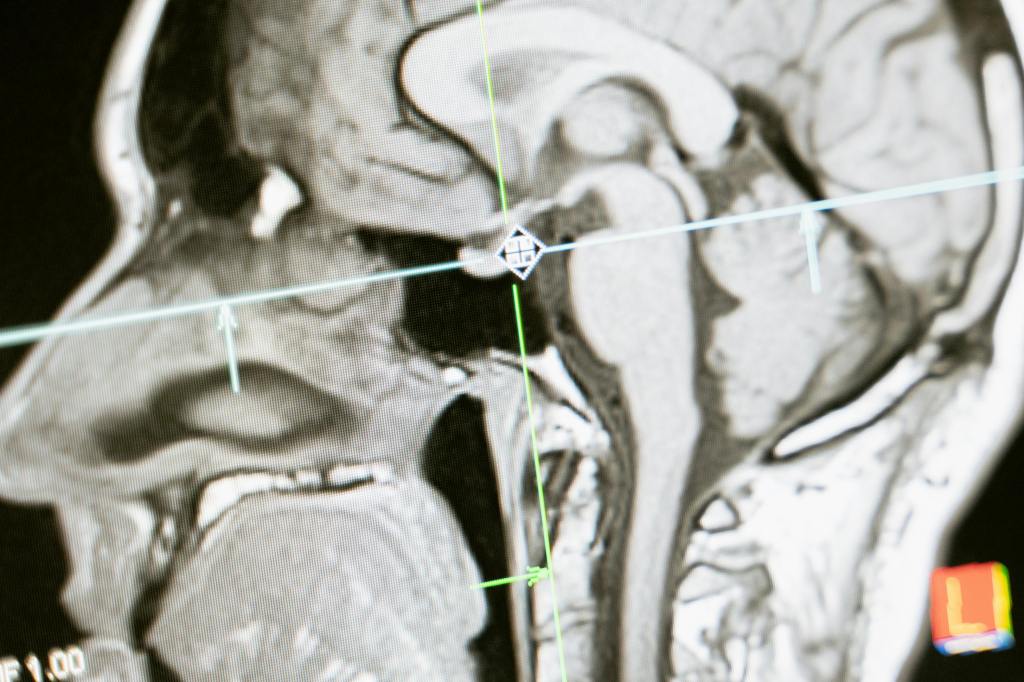
In her book, An Unquiet Mind: A Memoir of Moods and Madness, Kay Redfield Jamison writes,
“Manic-depression distorts moods and thoughts, incites dreadful behaviors, destroys the basis of rational thought, and too often erodes the desire and will to live. It is an illness that is biological in its origins, yet one that feels psychological in the experience of it, an illness that is unique in conferring advantage and pleasure, yet one that brings in its wake almost unendurable suffering and, not infrequently, suicide.”
I read her book for the first time when I was living in Dublin back in 2017. There was something profoundly beautiful about seeing her perspective on life with bipolar disorder. At the time, I suspected that I may struggle with it as well, but I did not receive a formal diagnosis until September 2023.
According to the Depression and Bipolar Support Alliance (DBSA), bipolar disorder is “a treatable mental health condition marked by extreme changes in mood, thought, energy, and behavior” (Bipolar Disorder – Depression and Bipolar Support Alliance, 2025). It can be a scary experience, one that requires the lucid monitoring of mental and emotional states. It is also interesting because of how mania can encourage a deep sense of creativity and drive.
When I am manic, I am entranced by the world. I experience flights of ideas, which I have learned how to convert into art. I like to walk often, listen to music, and translate my intense emotions. They can feel enormous. I am mercurial by nature, shapeshifting through moods. When I am depressed, I am drawn to death and suicidal ideation. It becomes necessary to speak truthfully.
Jamison writes how “there is a particular kind of pain, elation, loneliness, and terror involved in this kind of madness.” The loneliness associated with living with bipolar disorder is primarily due to the inability to share what it is like with another human being. Many can write about it, but there is an absence of being able to share how it feels to live with it. The highs are tremendous, the lows are remarkably isolating.
The extremes have encouraged me to adopt a number of different coping strategies. I am a proponent of talk therapy, both with medical professionals, crisis responders, and friends. I make jewelry, an excellent activity because it requires focus. Writing is particularly helpful because it allows me to slow the world down, as does painting. The creative process is helpful because it allows me to see an idea through from start to finish.
Self-expression is a pivotal aspect of dealing with having bipolar disorder. It can feel tremendous to experience emotions at a high frequency. There is a need to express their magnitude, if only to ensure that they do not remain stored within the body. There is nothing worse for depression than to feel alone. It helps to read books, like Jamison’s An Unquiet Mind or The Eden Express by Mark Vonnegut. Knowledge is essential when learning how to navigate living with a mental illness because it increases the odds of a person surviving and thriving.
Source: Depression and Bipolar Support Alliance – Bipolar Disorder
 STABILISE
Leave a comment